The Professional Athlete Mindset
The game changed. Most people haven't noticed. The builders who win treat their craft like professional athletes treat training. John Gleeson, VC at Success VP, reveals why shipping daily is the only moat left.
Mike Molinet & Govind Kavaturi
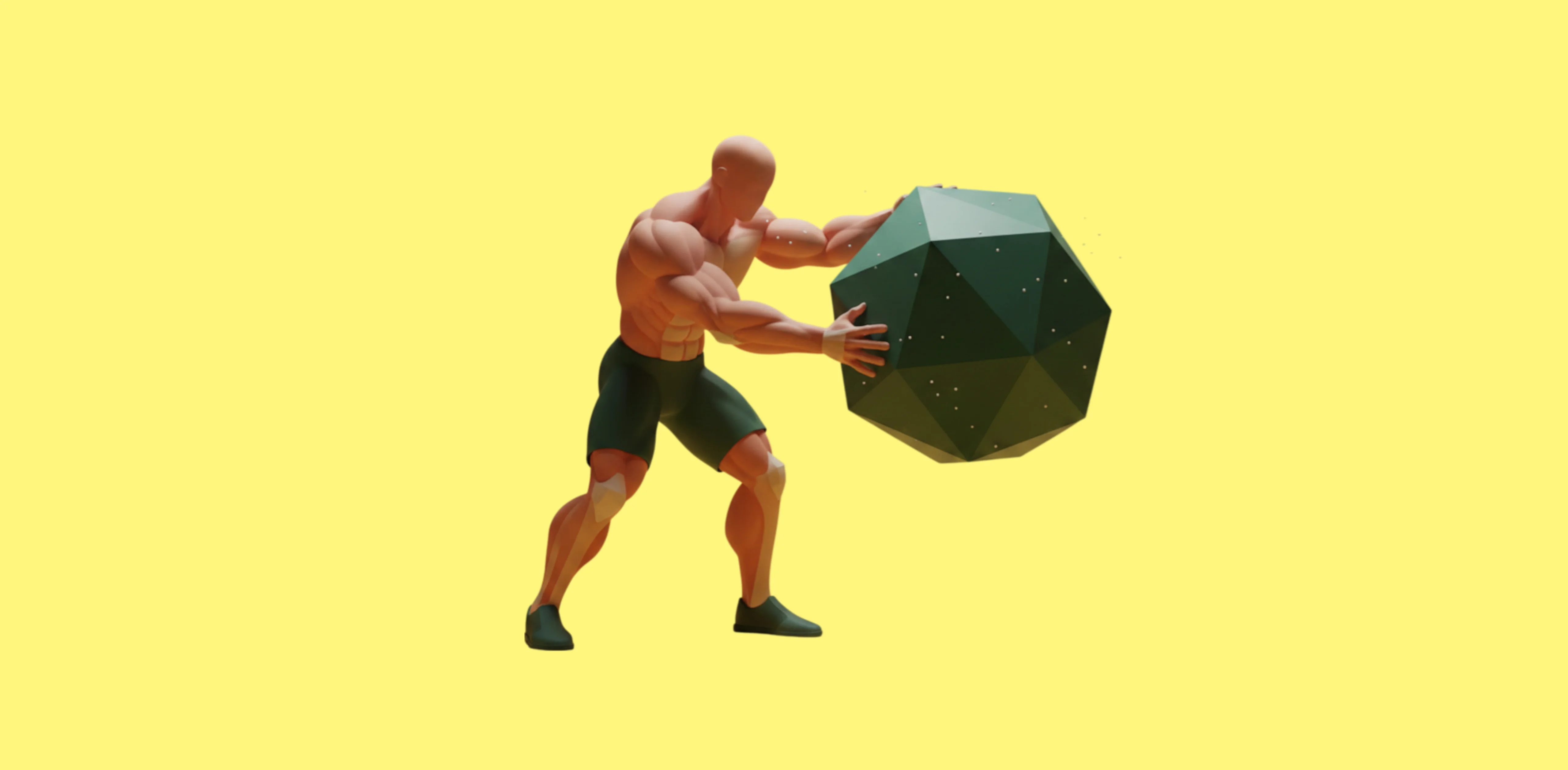
The game changed. Most people haven't noticed.
Last week: OpenClaw, solo founder, acquired by OpenAI. Three months from start to exit. One person.
New models dropping weekly. Claude 4.6. Video AI producing professional-grade output. Tools that didn't exist in January are now table stakes.
This isn't a moment. It's a new sport.
And most builders are still warming up.
Last week we talked about elimination over automation. The best opportunities aren't in making work faster. They're in making work disappear.
This week: the mindset that separates builders who win from builders who watch.
The Game Most People Are Playing
Most builders are treating this like a hobby.
'They read about new models. They bookmark tutorials. They plan to "dive deeper when things settle down."'
Things aren't settling down. This is the new pace.
While they're planning, someone else shipped. While they're reading threads, someone else built the thing. While they're waiting for the "right moment," the moment passed.
OpenClaw didn't wait. Three months. Solo founder. Exit to OpenAI.
That's not luck. That's a different game entirely.
What Professional Athletes Know
Professional athletes don't train when they feel like it. They train every day. Rain or shine. Tired or energized. They treat their craft like their life depends on it.
Because it does.
Miss a week of training? You're slower than the guy who didn't. Miss a month? You're off the team.
There's no "catching up later." There's only today's reps.
The best builders right now have the same mentality.
They're not waiting for permission. They're not waiting for the perfect tutorial. They're not waiting for things to make sense.
They're shipping. Every day. Learning by doing. Building the muscle.
The gap between "keeping up" and "falling behind" used to be measured in years. Now it's measured in weeks.
The Speed of Now
Consider what happened in the last 30 days:
New models launched. Capabilities that didn't exist are now standard. Reasoning that seemed impossible six months ago is now a feature you can call in an API.
By the time you read about a breakthrough, builders are already shipping products on top of it.
'By the time you "plan to explore it
This isn't about being first. It's about being in the game at all.
The people reading about AI aren't competing with the people building with AI. They're watching a different sport entirely.
Building Isn't Enough
Here's the trap.
Building is easier than ever. You can ship a prototype in a weekend. You can go from idea to working product in days.
So people build. And build. And build.
But building isn't training. Building without direction is procrastination with a progress bar.
You can build the wrong thing really fast now.
The professional athlete doesn't just go to the gym. They train with purpose. Specific skills. Targeted improvement. Every rep counts toward something.
The builders winning right now aren't just shipping. They're shipping with insight. They know the customer. They know the pain. They know why this thing matters.
Everyone else is doing reps with bad form. Lots of activity. No progress.
The Only Moat Left
If everyone can build, what's left?
Speed isn't a moat. Someone's always faster. Features aren't a moat. They can be copied in a week. Even AI capabilities aren't a moat. The models are available to everyone.
The only moat left is how well you know your customer.
That's it.
The builders who win are the ones who understand the workflow so deeply that they build exactly what's needed. Not a feature list. Not a demo. The actual thing that solves the actual problem.
The LLMs are only as good as the inputs you give them. The better you understand the customer, the better the output.
This is why talking to customers is training. This is why understanding pain points is training. This is why being obsessed with the problem, not the solution, is training.
Building is the easy part now. Knowing what to build is the skill.
The Bespoke Trap
There's a pattern in startups that look successful but aren't.
Great logos on the website. Impressive customer list. Looks like traction.
Then you ask: what did you build for each of them?
And you realize every implementation is custom. Every customer got something different. There's no product. There's a collection of bespoke projects pretending to be a company.
They said yes to everyone. Built for everyone. And ended up with nothing repeatable.
The best founders do the opposite. They narrow. They find the through line, the pattern across customers. They build for that. They say no to everything else.
Narrow first. Expand later.
The temptation is to say yes. The discipline is to say no.
What Training Actually Looks Like
We talked to John Gleeson this week. VC at Success VP. Saw Motive scale from $1M to $300M ARR. Now invests in early-stage startups.
He's not an engineer. Last time he coded was university.
But he built his own CRM. Replaced his email tools. Built fund modeling with Monte Carlo simulations. All using Claude.
Started in chat. Treated it like his PM. Two hours of planning before writing a single line of code. Then shipped.
Now he commits to GitHub every day.
Why? Because he sees what's happening:
When you jump on a call with a founder, sometimes you're blown away by how far they are. Your brain hasn't shifted to the new world. In the old pre-seed world, you'd be floored. Now you're like, yeah, I built this much over the weekend too.
The bar moved. What used to impress doesn't anymore.
And he sees who's falling behind:
50% of support hiring is down this year. The jobs that remain are more technical. The AI handles the easy stuff now. The humans left are dealing with the hardest problems.
The work got harder. The expectations went up. The people who aren't training are getting cut.
His words:
If you're a professional athlete, you would go to the gym. You'd treat it like a glass ball. You wouldn't want to drop it. If you're not training, you're gonna be one step behind. And people who are a step behind the play? They get cut.
The Canvas Requirement
John's insight for builders:
By the time you start to read about things, it's almost too late. We go from cowork launches to 4.6 launches to Clawdbot to we're not calling it Clawdbot anymore. That happens in the same week.
Seven days. The whole landscape shifts.
Reading isn't training. Watching isn't training.
You need a canvas. A side project. Something you're building so you can take what you're reading and plug it into your own context.
I think it's important to have your own code base. Because everything in technology is getting more technical once again.
You don't need to be an engineer. John isn't.
You need to be in the game.
The Signal
When John evaluates founders now, he's looking for something specific:
Not how much they built. Everyone can build now.
How narrow they went. How well they know the customer. How repeatable the pattern is across their first customers.
The really good ones are honing in on the through line between customers. The language to describe that congruent pain point. They're using that. There's a spark at the beginning that's more multi-tenant in nature. They're not starting from scratch with every new customer.
Pattern recognition. Customer intimacy. Disciplined focus.
That's what separates the athletes from the amateurs.
Are You Training?
Honest questions:
When did you last ship something?
Not plan. Not research. Not bookmark for later. Ship.
When did you last talk to a customer?
Not assume what they need. Not build what you think is cool. Actually talk to them.
When did you last learn something by doing it?
Not reading a thread. Not watching a tutorial. Doing.
The game changed. The timeline compressed. The bar moved.
OpenClaw: one person, three months, acquired.
That's not an anomaly. That's the new normal.
The athletes are training every day. They're shipping. They're talking to customers. They're building the muscle.
Everyone else is planning to start.
Last week: Stop automating. Start eliminating.
This week: The game changed. Train like it matters.
Next week: Another operator. Another pattern.
The window is open. But windows close.
Are you training?
Mike & Govind